Nearly 40% of apartments reserved in construction company MONUM’s first residential project 20.08.2026

After more than 20 years in the construction industry, MONUM has expanded its operations and entered the real estate development market. Since sales began, nearly 40% of the 160 apartments in Promenādes mājas — the company’s first residential project developed in-house — have already been reserved.
A new developer’s first project is also a test of its reputation. When choosing a home that is still under construction, buyers consider not only the price, location, architecture and apartment layout, but also the company’s experience and its ability to deliver the project to the promised standard of quality and within the agreed timeframe.
In MONUM’s case, the company’s experience is not measured by its first development project. MONUM has operated in the construction industry for more than 20 years. In the past five years alone, acting as a contractor, the company has completed multi-apartment buildings comprising approximately 1,500 apartments with a total floor area of around 65,000 square metres. Promenādes mājas is the first project in which this expertise is being applied throughout the entire real estate development cycle — from the initial concept and selection of technical solutions to the delivery of completed apartments to their owners.
“Reserving an apartment while the building is still under construction is largely a matter of trust. Buyers want to know who is delivering the project and what experience the company has gained to date. In this respect, our advantage lies in more than 20 years of construction experience and the expertise acquired through projects of varying complexity,” says Evita Domello, Member of the Management Board of MONUM.
Construction expertise from the outset
The transition from general contractor to real estate developer represents not only a new area of business for the company, but also a broader scope of responsibility. A general contractor primarily implements decisions made by the client and designers, whereas a developer determines the project concept, quality requirements, technical solutions and economic priorities.
A significant proportion of the decisions that later affect the construction process, the building’s maintenance costs and its long-term performance are made during the initial stages of a project.
Through our construction experience, we have seen which solutions work well and which, although initially appearing cost-effective, may later create complications during construction or operation of the building. By developing the project ourselves, we can apply this experience from the design and planning stages onwards.
By combining development and construction expertise within a single company, market demand and project economics can be assessed alongside the feasibility and durability of technical solutions, as well as the building’s future management requirements. Responsibility for the final result is also more clearly defined: Promenādes mājas is being delivered by one team, from the initial concept through to construction.
Demand for homes of different sizes
Early reservation figures indicate demand for both compact apartments and homes suitable for families. One- and two-bedroom apartments are being chosen by first-time buyers, as well as private investors assessing purchase prices and rental potential. Three- and four-bedroom apartments, meanwhile, are primarily being reserved by families.
The company’s discussions with prospective buyers show that the technical quality of a building is becoming increasingly important in the decision-making process. Interest is no longer limited to the apartment’s price, size and layout.
Buyers ask about the building’s structural systems, ventilation solutions, energy efficiency, materials and expected property management costs. This indicates that people are taking an increasingly informed approach to choosing a home and are paying greater attention to the property’s long-term quality.
The wider housing market has further increased the importance of these considerations. In recent years, fluctuations in energy prices and rising construction costs have encouraged buyers to assess not only a property’s purchase price, but also the cost of maintaining it. Consequently, energy efficiency and the quality of technical solutions are gradually becoming key factors in a home’s competitiveness.
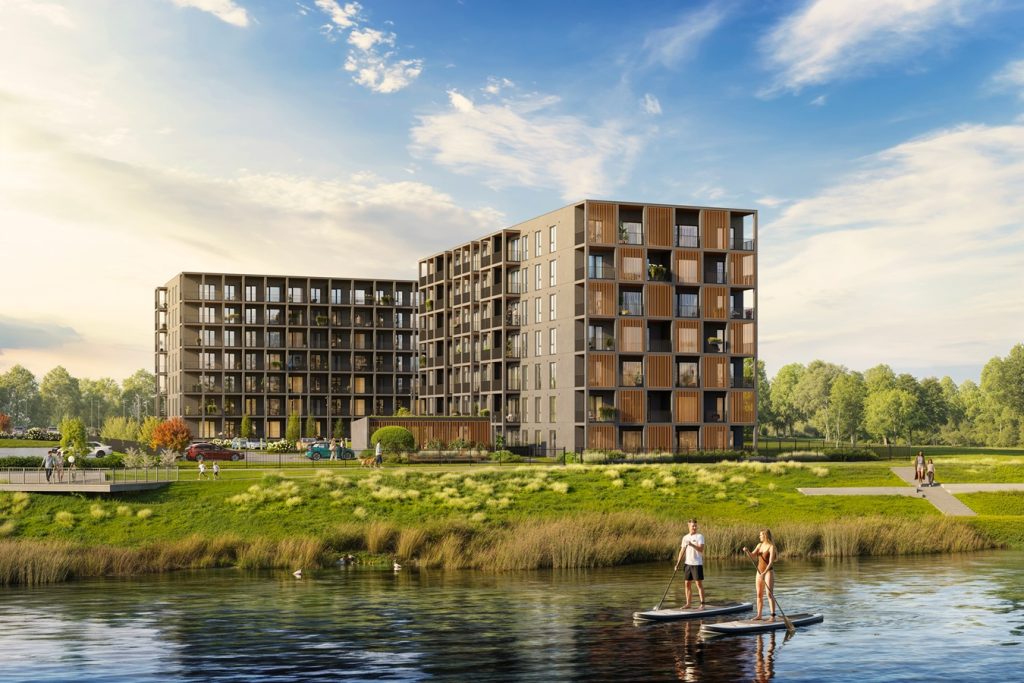
A residential development near the Daugava promenade
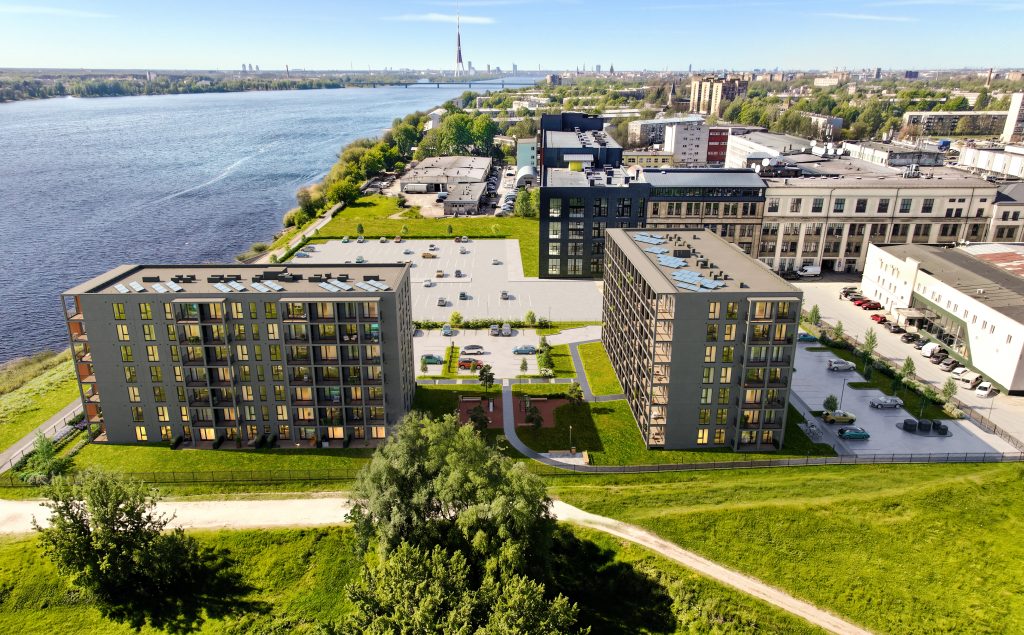
Promenādes mājas is being developed on Latgales Street, close to the Daugava promenade. The location combines convenient access to urban infrastructure with the opportunity to enjoy public outdoor space by the river as part of everyday life. The promenade is suitable for walking, exercise and recreation, while shopping centres, service providers, educational institutions and public transport stops are all located nearby.
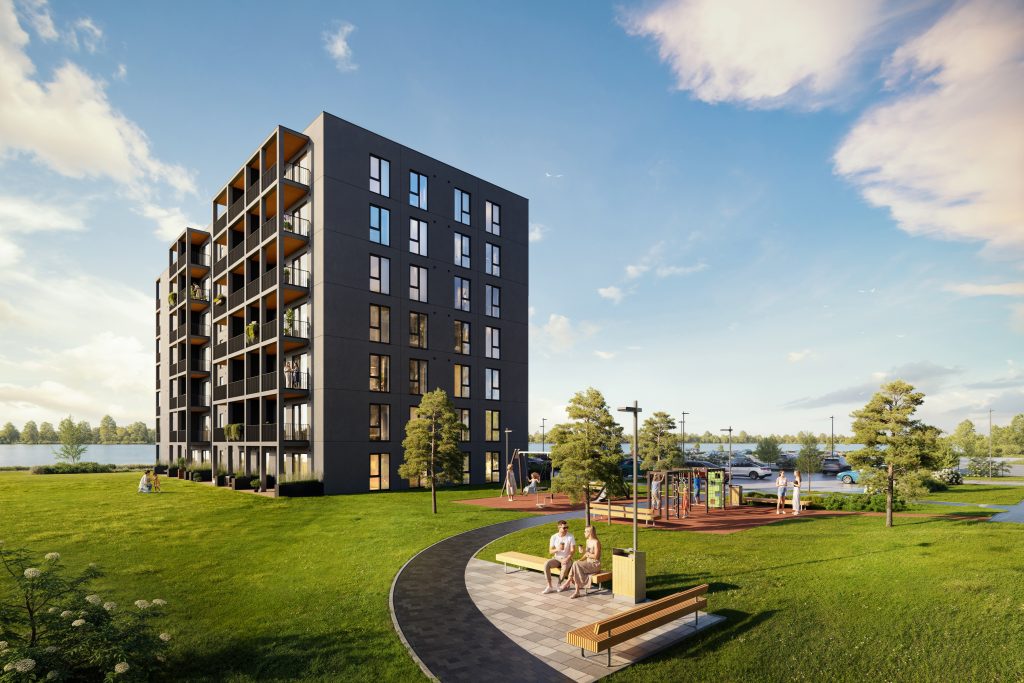
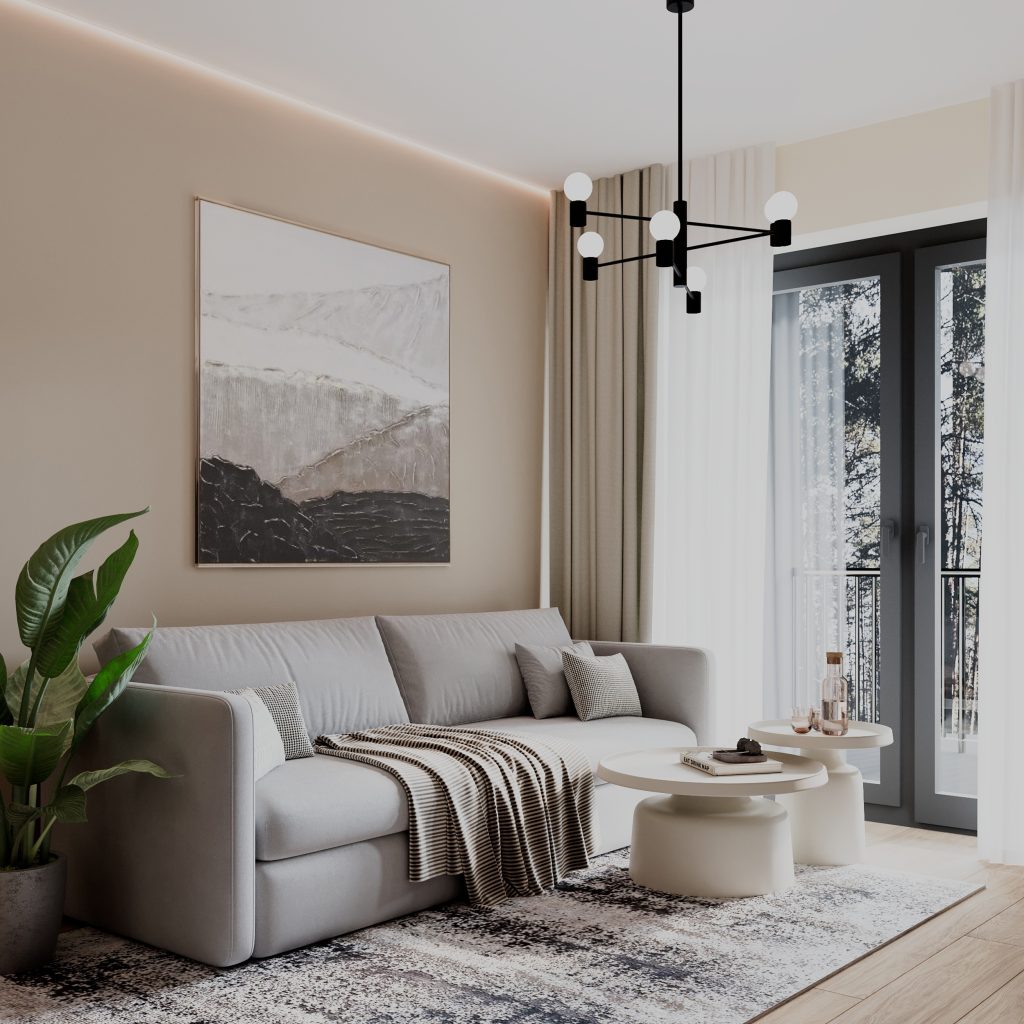
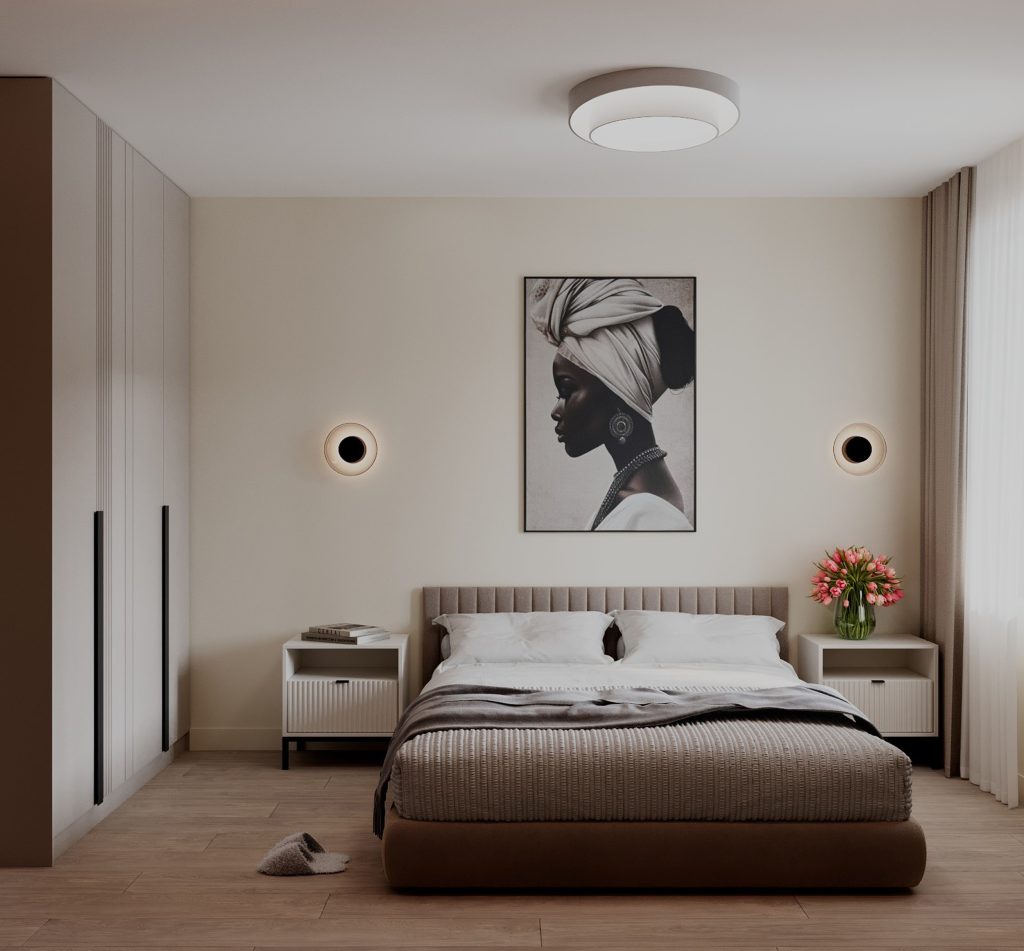
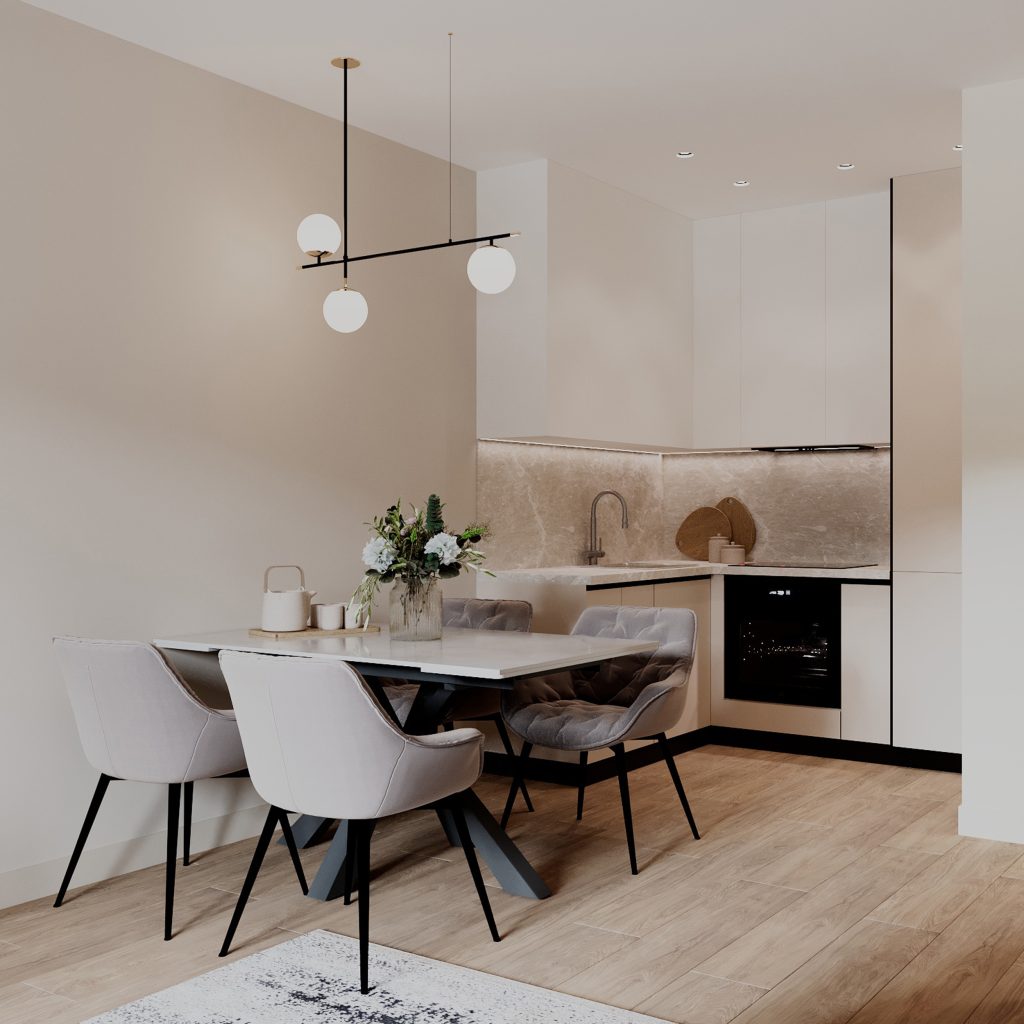
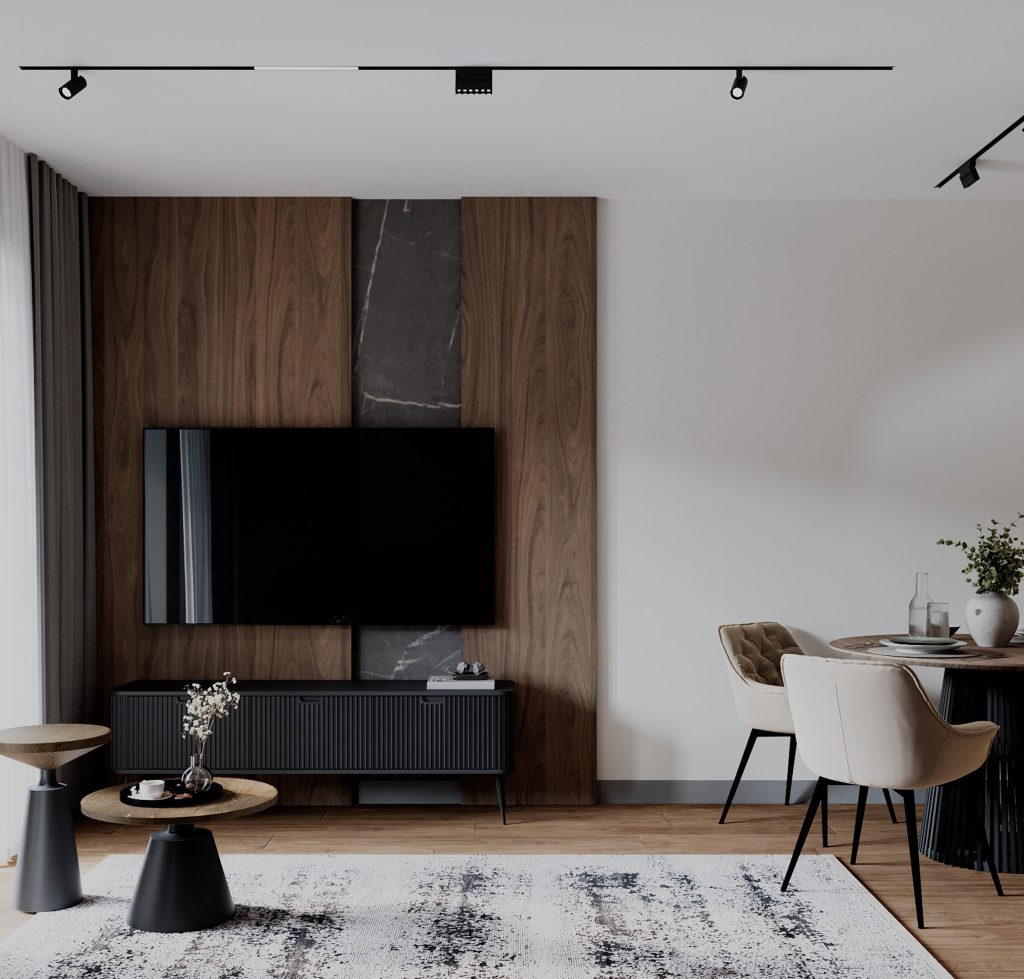
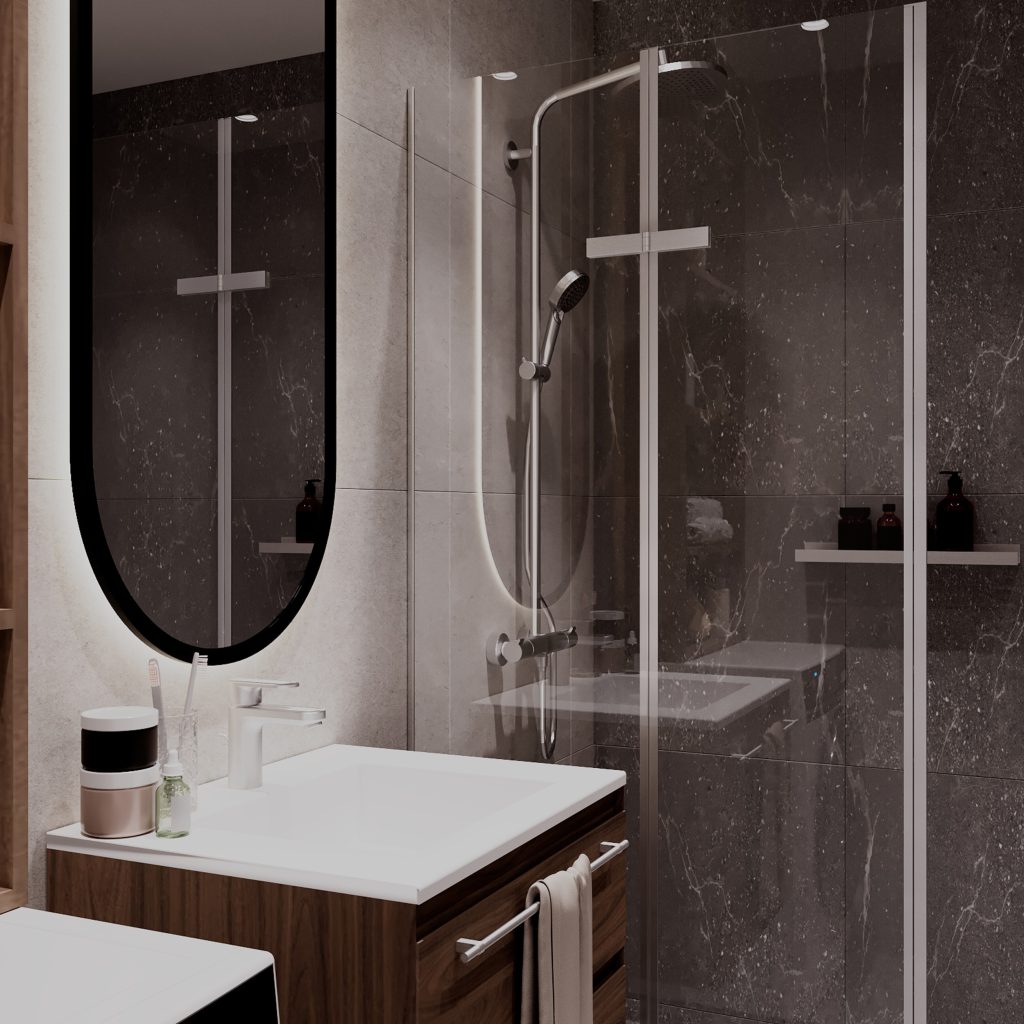
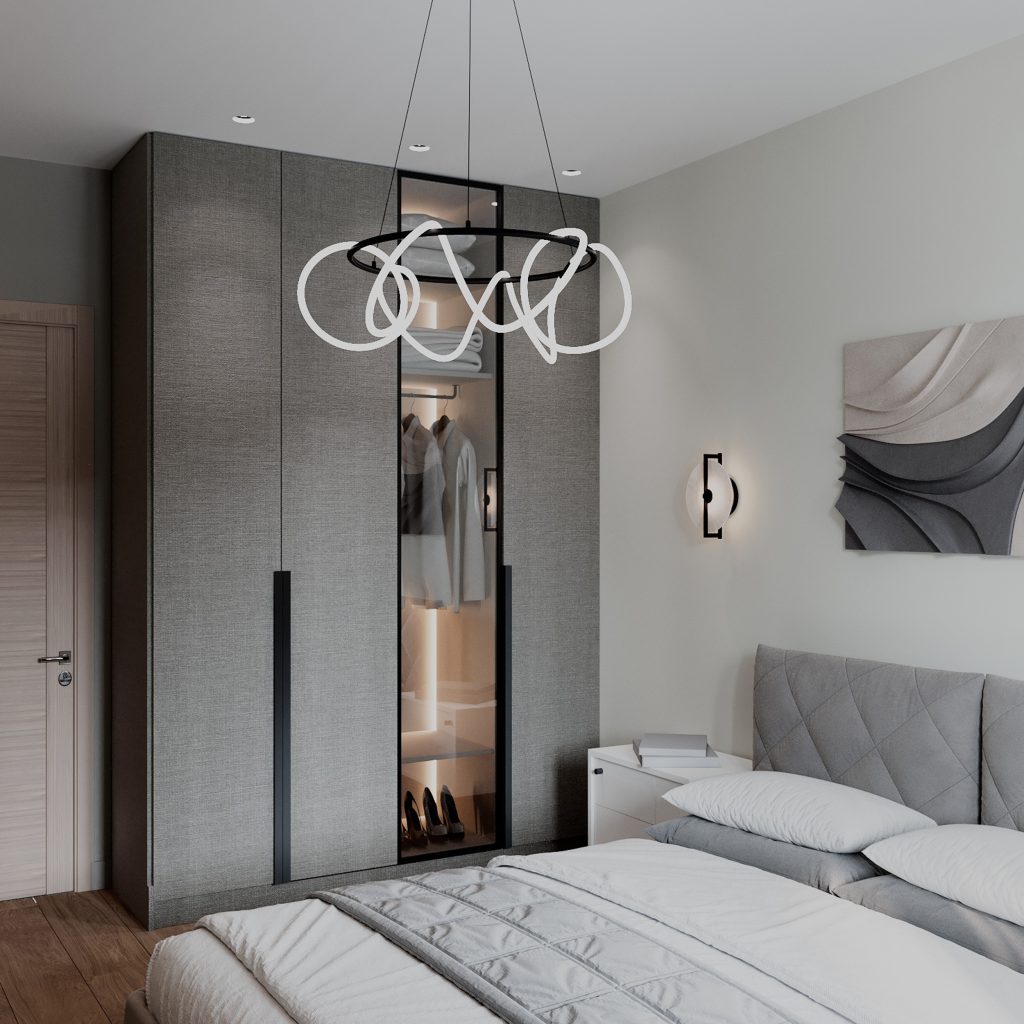
The two seven-storey, A+ energy-efficient buildings will comprise 160 apartments with one to four bedrooms. All apartments will be delivered with a full interior finish, and each will have a balcony or terrace.
The development will also include children’s play areas, sports zones, secure bicycle storage facilities, parking spaces and electric vehicle charging options. When selecting the buildings’ engineering and construction solutions, particular attention has been paid to energy efficiency, everyday comfort and future operating costs.
Construction began in March 2026, with both buildings scheduled for completion in the third quarter of 2027.
A long-term business direction
MONUM describes Promenādes mājas as a strategic expansion of the company’s operations rather than a standalone pilot project. Its first residential development will therefore also serve as a foundation for the company’s future activities in the real estate development segment.
Our goal is not to limit ourselves to constructing and selling a single project. We want to use the experience gained in construction to develop projects for whose quality we can assume full professional responsibility. Promenādes mājas is the first step in this new area of business, but our outlook is long-term.
MONUM’s entry into the development market is therefore not a conventional story of a new market participant. The company first accumulated extensive construction experience and only then assumed responsibility for the entire project development cycle. The initial reservation results will be one of the indicators used to assess both how well the chosen concept meets market demand and the company’s prospects of establishing a strong position in this new business segment.